Best Active Noise Cancelling (ANC) Headphones: Travel, Commuting & Office
Evaluating decibel noise attenuation, transparency modes, multi-point Bluetooth pairing, travel ergonomics, and soundstage profiles.
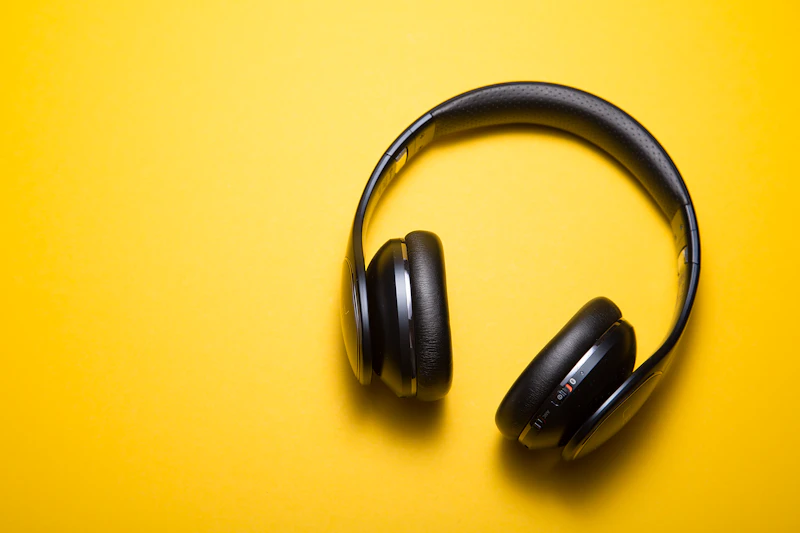
Executive Overview
Active Noise Cancellation (ANC) uses outward-facing feedforward microphones and inward-facing feedback microphones to sample ambient sound waves, invert their phase by 180 degrees via a real-time digital signal processor (DSP), and emit an anti-noise waveform that cancels low- and mid-frequency rumble before it reaches your eardrum. Whether you fly frequently, commute on rail transit, or work in an open-plan office, choosing the right ANC headphones requires balancing acoustic attenuation against clamping force comfort, Bluetooth audio codecs (LDAC, aptX Adaptive, AAC), and voice-call microphone beamforming.
Why ANC Marketing Claims Don’t Tell the Whole Story
Key Pitfall #1
Low-Frequency Drone vs Mid-Range Office Chatter: Active DSP cancellation excels at steady 50Hz–400Hz noises (jet turbines, HVAC hum, train tracks), whereas blocking sudden 1kHz–4kHz human voices relies heavily on passive memory-foam earcup sealing and multi-mic high-speed processors.
Key Pitfall #2
Earcup Clamping Pressure & Heat Buildup: Heavy metal headphones or stiff headband springs can cause temple soreness or glasses pressure after two hours on a long-haul flight.
Key Pitfall #3
Bluetooth Codec Bottlenecks by Smartphone OS: Apple iPhones transmit over AAC (256 kbps max) and do not support Sony’s high-bitrate LDAC codec, whereas Android flagships support both LDAC and aptX.
Key Pitfall #4
Hinge Folding vs Flat-Case Footprint: Non-folding headband designs (such as the Sony WH-1000XM5 and AirPods Max) require wider carry-on case space than tri-folding hinges (such as the Sony WH-1000XM4 and Bose QuietComfort Ultra).
Essential Technical Specifications Checklist
- Hybrid Dual-Sensor ANC Architecture
- Combines external feedforward mics (capturing ambient noise outside the earcup) and internal feedback mics (monitoring residual sound inside the earcup chamber) to dynamically adapt cancellation to ear pad seal and barometric cabin pressure.
- Bluetooth 5.2 / 5.3 Multipoint Connection
- Multipoint pairing maintains simultaneous active Bluetooth links with two devices (for example, a laptop and a smartphone), automatically switching audio when an incoming phone or Zoom call arrives.
- Audio Codecs (SBC, AAC, LDAC, aptX Adaptive)
- LDAC transmits up to 990 kbps at 24-bit/96kHz over Bluetooth on supported Android/Windows devices; AAC provides optimized low-latency compression for iOS and macOS.
- Transparency / Aware Mode Naturalness
- Uses external microphones to pipe surroundings back into the earcups with minimal occlusion so you can hear airport gate announcements or ordering conversations without removing your headphones.
Frequently Asked Questions
Why do some people feel a slight eardrum pressure sensation with ANC turned on?
Active Noise Cancellation does not actually change air pressure inside the earcup. However, when low-frequency ambient sounds are suddenly removed, the brain sometimes interprets that acoustic silence as a barometric change (similar to altitude shifts). Modern processors like the Sony V1 and Bose CustomTune minimize this sensation.
Does Active Noise Cancellation protect hearing on loud flights and subways?
Yes. Airplane cabins typically measure 78 to 85 dBA of ambient noise. Without ANC, listeners often raise headphone volume above 90 dBA to drown out the engine. ANC lowers the noise floor by 20 to 30 dB, allowing safe listening at 65–70 dBA.
Can you use ANC without playing music?
Yes. All modern ANC headphones and earbuds can remain switched on in quiet mode with no audio track playing to serve as active acoustic ear defenders while reading or sleeping.